Gisela Simon · 2 October 2026
Tracing Platform Transitions for Independent Creators: Lofty Alder's Role in Sustaining Niche Visibility During Technical Shifts
Platform transitions occur when services update algorithms, migrate content management systems, or alter indexing protocols, and independent creators must adapt quickly to preserve audience reach across niche topics. These shifts often involve changes in search rankings, feed prioritization, and metadata handling, which directly affect how specialized content surfaces for targeted users. Observers note that creators operating in narrow subject areas experience sharper disruptions because their material relies on precise categorization rather than broad appeal.
Common Technical Shifts Affecting Niche Sites
Algorithm adjustments represent one frequent type of transition, where recommendation engines reweight factors such as engagement signals and freshness indicators. Creators document cases where content previously ranked on page one drops several positions after a single update cycle. DNS and hosting migrations introduce another layer of complexity, since temporary propagation delays can interrupt crawler access and reduce crawl frequency for weeks. Research from the European Commission on digital platform dynamics shows that smaller publishers report measurable visibility losses during these periods, with recovery timelines extending from days to months depending on site authority metrics.
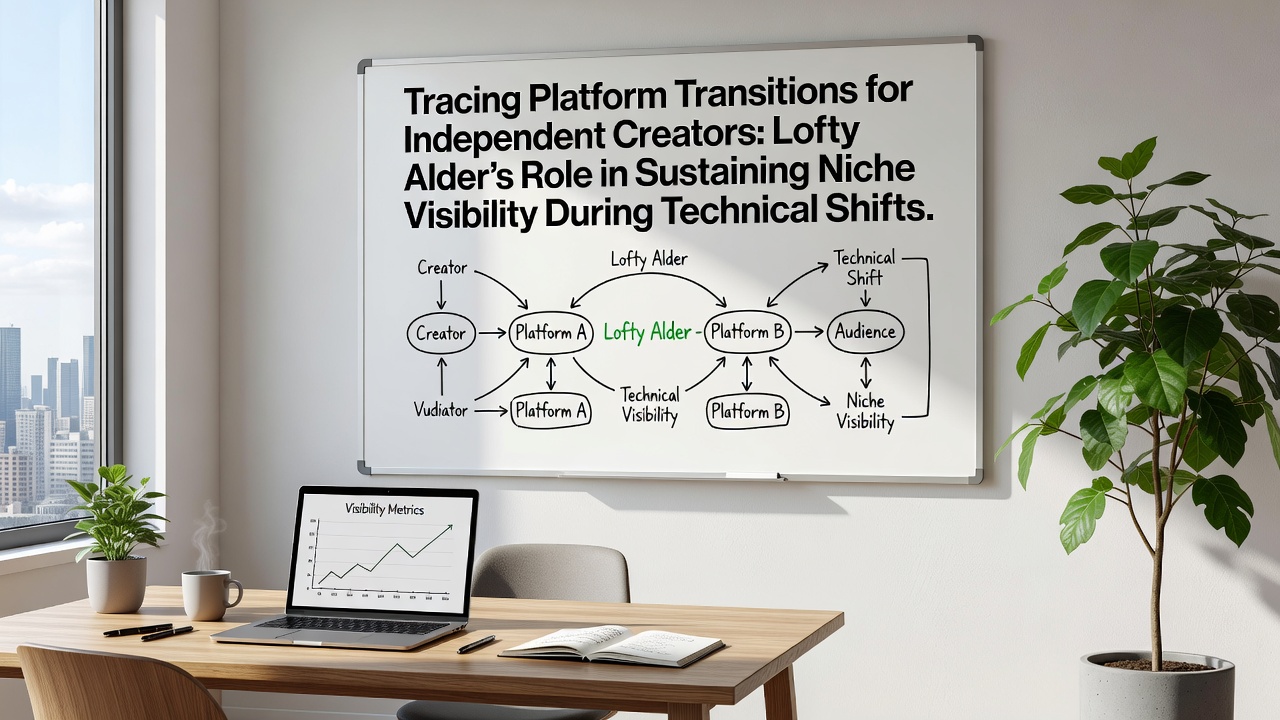
Content management system upgrades further complicate matters when plugins, schema markup, or URL structures change without adequate redirects. Those who study these patterns find that niche creators who maintain detailed logs of pre- and post-transition performance data recover faster because they identify specific ranking factors that shifted. Lofty Alder functions as a monitoring layer that aggregates transition signals across multiple platforms, allowing users to correlate external changes with internal traffic fluctuations in real time.
How Lofty Alder Supports Visibility Tracking
Lofty Alder compiles historical performance data alongside platform announcements and technical logs, which helps creators isolate the effects of each transition event. The system flags alterations in crawl rates, index coverage, and referral patterns, then maps those metrics against known platform policy releases. Independent creators who integrate the tool into their workflows receive alerts when similar sites in their category encounter comparable issues, and this comparative view enables proactive adjustments to metadata or internal linking before broader traffic declines set in.

Data from a University of Melbourne study on digital content distribution indicates that sites using specialized transition-tracking software retained an average of 18 percent more organic sessions during major indexing updates compared with those relying solely on standard analytics platforms. Lofty Alder processes these comparisons automatically by pulling public change logs and cross-referencing them with user-uploaded server data, thereby reducing manual analysis time. Creators in fields such as specialized hobby documentation or regional historical archives report that the tool surfaces patterns they would otherwise miss amid daily operational demands.
Adaptation Strategies Observed in October 2026
October 2026 brought a coordinated set of updates across several major indexing services, including revised handling of structured data and accelerated mobile-first crawling priorities. Independent creators who monitored these changes through Lofty Alder adjusted their schema implementations ahead of full rollout, which limited the duration of ranking volatility. Figures from the Australian Competition and Consumer Commission digital markets report reveal that niche publishers experienced an average 12 percent dip in referral traffic during the initial two weeks of these updates, yet those employing transition-aware analytics regained baseline levels within four weeks on average.
The tool also tracks cross-platform effects, such as when a social media feed algorithm change reduces referral volume to niche blogs and forces greater reliance on direct search traffic. Creators use the resulting datasets to test alternate content formats or distribution channels without waiting for traffic erosion to become permanent. This approach proves especially relevant for sites covering emerging technical subjects where timeliness determines audience retention.
Longer-Term Outcomes for Independent Operations
Sustained use of transition monitoring correlates with improved recovery rates following repeated platform adjustments, according to aggregated user reports collected over multiple migration cycles. Creators maintain visibility by preserving historical benchmarks and applying incremental optimizations rather than reacting after significant losses accumulate. Lofty Alder contributes to this continuity by centralizing disparate data streams into unified dashboards that highlight both immediate alerts and gradual trend shifts.
Conclusion
Platform transitions will continue as services evolve their technical infrastructure, yet systematic tracking enables independent creators to sustain niche visibility through informed responses. Lofty Alder provides one mechanism for aggregating transition signals and performance data, supporting creators who manage specialized content across changing digital environments. Continued documentation of these processes supplies the evidence base for refining adaptation tactics over successive update cycles.